
Wagyou Burger Co.
A burger brand built for delivery where the packaging is the restaurant.
Wagyou Burger is a ghost kitchen brand specialising in Wagyu-blend smash burgers, crispy chicken, and loaded fries, delivered through Just Eat, Deliveroo, and Uber Eats via partner kitchens across the UK. They came to me at launch with a logo and nothing else. Everything built around it, brand, website, packaging, social, video, and paid ads, was created from scratch.

Ghost Kitchen / Fast Food
Brand Identity
Web Design
Web Development
SEO
Product Photography
Social Media
Paid Ads
Brand
Build
Grow
Creative Support
Where we started
No kitchen. No premises. No margin for a weak brand.
Wagyou Burger operates as a ghost kitchen. There’s no physical restaurant, no counter to walk up to, no front-of-house to make a first impression. Every customer interaction happens through a screen: a listing on Just Eat or Deliveroo, a social media post, a website, a piece of packaging that arrives at the door. In that model, the brand does every job that a physical space would normally do. It either earns the order or it doesn’t.
The ghost kitchen market is increasingly competitive. Delivery platforms are crowded with options, and customers scrolling through listings make decisions quickly, based on photography, name recognition, and an immediate sense of whether a brand looks worth the price. A brand that looks generic or cheap gets scrolled past. A brand that looks confident and considered gets clicked.
Wagyou launched with a strong product and a logo. The brief was to build everything else: a brand system that could carry the identity across every touchpoint, a website that could support both direct customer orders and the partner kitchen model, packaging that would make an impression at the door, and a social and advertising presence that could drive awareness and orders from day one.
The decision
Build it as if there were a restaurant.
The temptation with a delivery-only brand is to treat it as a simpler brief. No signage, no interior, no uniforms, fewer touchpoints. In practice it’s the opposite. Every physical brand asset a restaurant has, the decor, the plates, the atmosphere, is replaced by a single touchpoint: the moment the packaging arrives at the door. That moment has to do a lot of work.
The decision was to treat the packaging as the primary brand experience, not an afterthought. That meant the brand system needed to be bold enough to make an impact on a paper bag in someone’s hallway, and distinctive enough that a repeat customer would recognise it immediately on a delivery platform listing. Wagyou’s logo gave us a strong starting point, and the brand built around it needed to amplify that identity rather than dilute it.
The same logic applied to the social and advertising approach. A ghost kitchen can’t rely on footfall or word of mouth from people walking past, so awareness has to be built digitally, which means the social content and Meta ads needed to work hard as the primary discovery mechanism. Photography and video weren’t supporting assets here; they were the product. If the food doesn’t look extraordinary on screen, nothing else matters.
What We Made
Brand. Web. Packaging. Social. Video. Ads.
The brand system established the visual language that runs across every Wagyou touchpoint, colour palette, typography, graphic treatments, and usage rules, all built around the existing logo to create a cohesive identity that could scale as the business grew and added partner kitchens. The system was designed to be flexible enough for social content and rigid enough to stay consistent across different applications.
The website serves two audiences simultaneously: customers looking to order, and restaurant operators considering the partner model. The customer journey leads quickly to the delivery platform links, and the site’s job is to build appetite and get out of the way. The partner page makes the business case clearly: use your existing kitchen and staff, add Wagyou to your offering, generate additional revenue. Two very different briefs, handled within a single site without one undermining the other.
Packaging, social media templates, and video content gave the brand physical and digital presence, with the packaging designed to make an impression at the doorstep and the social content built to drive both awareness and orders. The paid Meta advertising campaigns were set up and structured to reach the right audiences in the right locations, driving traffic to the delivery platform listings where the orders happen.
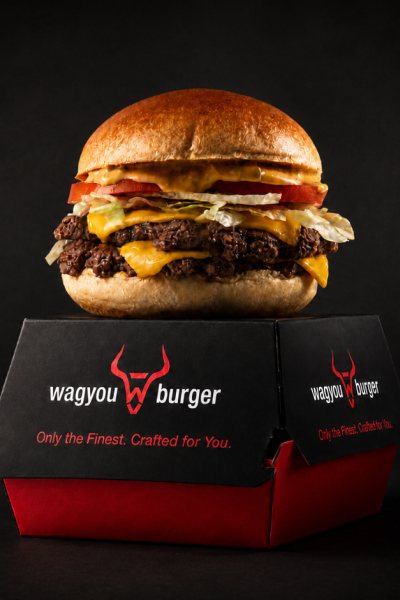

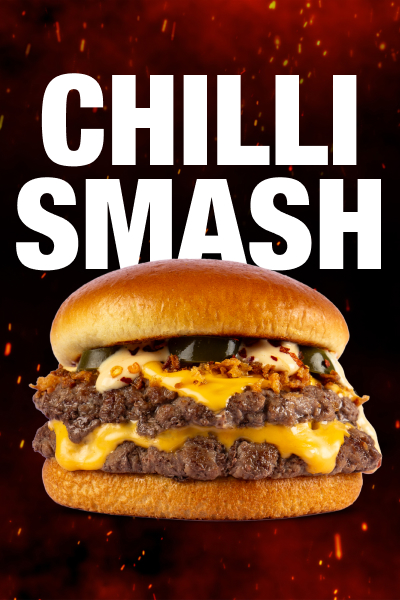

Once the brand and website were live, I ran the Meta ads to send people straight to the delivery listings. They have driven around 12,000 link clicks at about 9p each.
More on SEO and digital marketingWhat Changed
A brand that could compete from day one.
Wagyou went live with a complete brand ecosystem, identity, website, packaging, social, video, and advertising all working together as a system rather than a patchwork of separate pieces. For a ghost kitchen brand where every customer interaction is digital, that coherence is directly tied to commercial performance: a consistent, confident brand converts more orders than a fragmented one.
The partner model, restaurants adding Wagyou to their kitchen offering, gives the brand a route to rapid geographic expansion without the capital cost of physical sites. The website and brand system were built with that growth in mind, designed to support new partner locations without needing to be rebuilt every time.
125K+
Video plays
12,000+
Link clicks from paid social at about 9p each
800-1,000
Monthly website visits, up from next to nothing
Since April, the brand has taken over £200,000 in revenue across its kitchens, with paid social behind more than a quarter of it.
More on brand identity More on Creative SupportLet's have a conversation.
A clarity call is a free 30-minute conversation. No pitch, no pressure. Just a straight answer about what you need and whether I’m the right person to help.
Book a free clarity call